Cancer Definition
kănsər
noun
The pathological condition characterized by such growths.
American Heritage Medicine
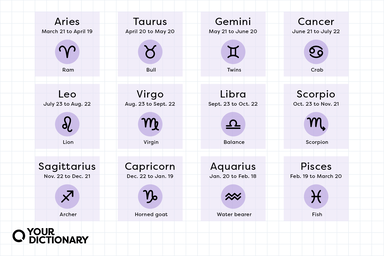
A N constellation between Gemini and Leo; the Crab.
Webster's New World
A pernicious, spreading evil.
A cancer of bigotry spread through the community.
American Heritage
Any of various diseases characterized by the uncontrolled growth of cells that disrupt body tissue, metabolism, etc.
Webster's New World
The fourth sign of the zodiac, entered by the sun about June 21
Webster's New World
Synonyms:
- malignant neoplastic disease
- crab
- Cancer the Crab
- genus Cancer
- sickness
- radiation
- corruption
- metastasis
- tumor
- malignancy
- disease
- chemotherapy
- carcinosis
- carcinogen
- sarcoma
Antonyms:
pronoun
(astronomy) A constellation of the zodiac supposedly shaped like a crab.
Wiktionary
Other Word Forms of Cancer
Noun
Singular:
cancer
Plural:
cancersOrigin of Cancer
-
From Latin cancer (“crab”), from Ancient Greek καρκίνος (karkinos, “crab”); applied to cancerous tumors because the enlarged veins resembled the legs of a crab.
From Wiktionary
-
From Latin cancer (“crab”), from Ancient Greek καρκίνος (karkinos, “crab”).
From Wiktionary
-
Middle English from Latin canker
From American Heritage Dictionary of the English Language, 5th Edition
-
Middle English canker
From American Heritage Dictionary of the English Language, 5th Edition
Related Articles




Find Similar Words
Find similar words to cancer using the buttons below.