Endemic Definition
ĕn-dĕmĭk
adjective
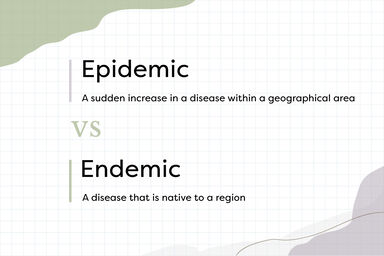
Native to a particular country, nation, or region.
Webster's New World
Constantly present in a particular region: said of a disease that is generally under control.
Webster's New World
Common in or inherent to an enterprise or situation.
American Heritage
(Especially of plants and animals.) Peculiar to a particular area or region; not found in other places.
The endemic religion of Easter Island arrived with the Polynesian settlers.
Wiktionary
Antonyms:
noun
An endemic plant or animal.
Webster's New World
An endemic disease.
Webster's New World
An organism that is native only to a particular locality or region.
American Heritage Medicine
Synonyms:
- endemic-disease
Other Word Forms of Endemic
Noun
Singular:
endemic
Plural:
endemicsOrigin of Endemic
-
From Ancient Greek ἐν (en, “in”) + δῆμος (dēmos, “people”). Possibly via ἔνδημος (endēmos, “among ones people, at home, native”) and/or French endémique.
From Wiktionary
-
From Greek endēmos native, endemic en- in en–2 dēmos people dā- in Indo-European roots
From American Heritage Dictionary of the English Language, 5th Edition


Find Similar Words
Find similar words to endemic using the buttons below.