Oxygen Definition
ŏksĭ-jən
noun
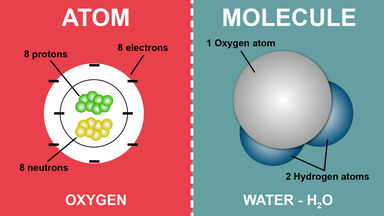
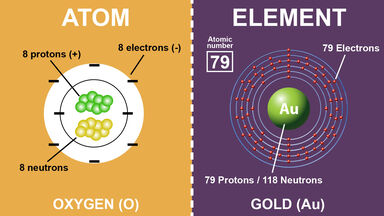
A colorless, odorless, tasteless, gaseous chemical element that occurs free in the atmosphere, forming one fifth of its volume, and in combination in water, sandstone, limestone, etc.: it is very active, combines with nearly all other elements, is the most common element in the earth's crust, and is essential to life processes and to combustion: symbol, O; at. no. 8
Webster's New World
(countable) An atom of this element.
Wiktionary
Synonyms:
- atomic number 8
- o
Other Word Forms of Oxygen
Noun
Singular:
oxygen
Plural:
oxygensOrigin of Oxygen
-
Borrowed from French oxygène (originally in the form principe oxygène, a variant of principe oxigine "˜acidifying principle', suggested by Lavoisier), from Ancient Greek ὀξύς (oxus, “sharp") + γένος (genos, “birth"), referring to oxygen's role in the formation of acids.
From Wiktionary
-
French oxygène Greek oxus sharp, acid ak- in Indo-European roots French -gène -gen
From American Heritage Dictionary of the English Language, 5th Edition



Oxygen Is Also Mentioned In
Find Similar Words
Find similar words to oxygen using the buttons below.